Explore Rome’s catacombs with clarity, confidence, and wonder
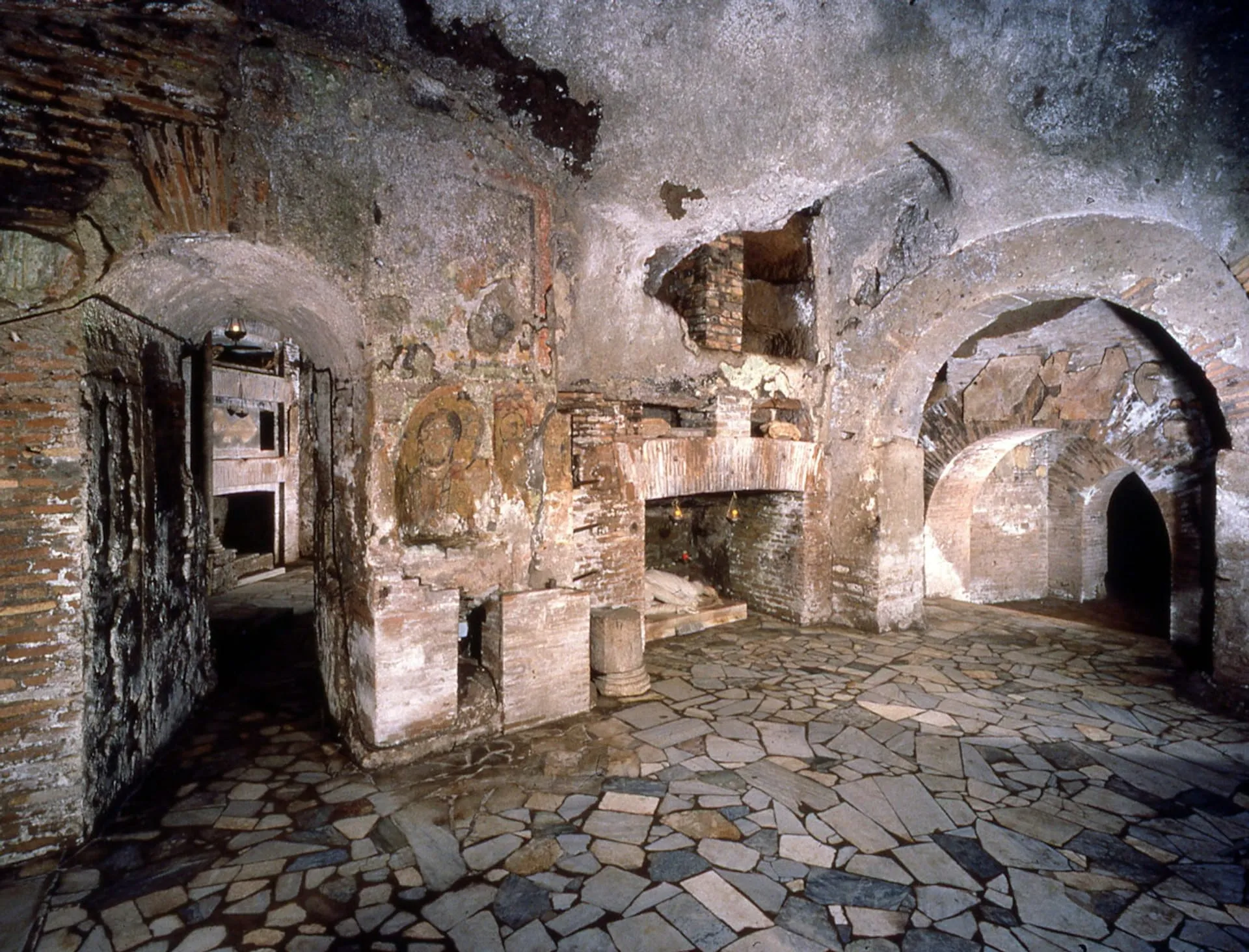
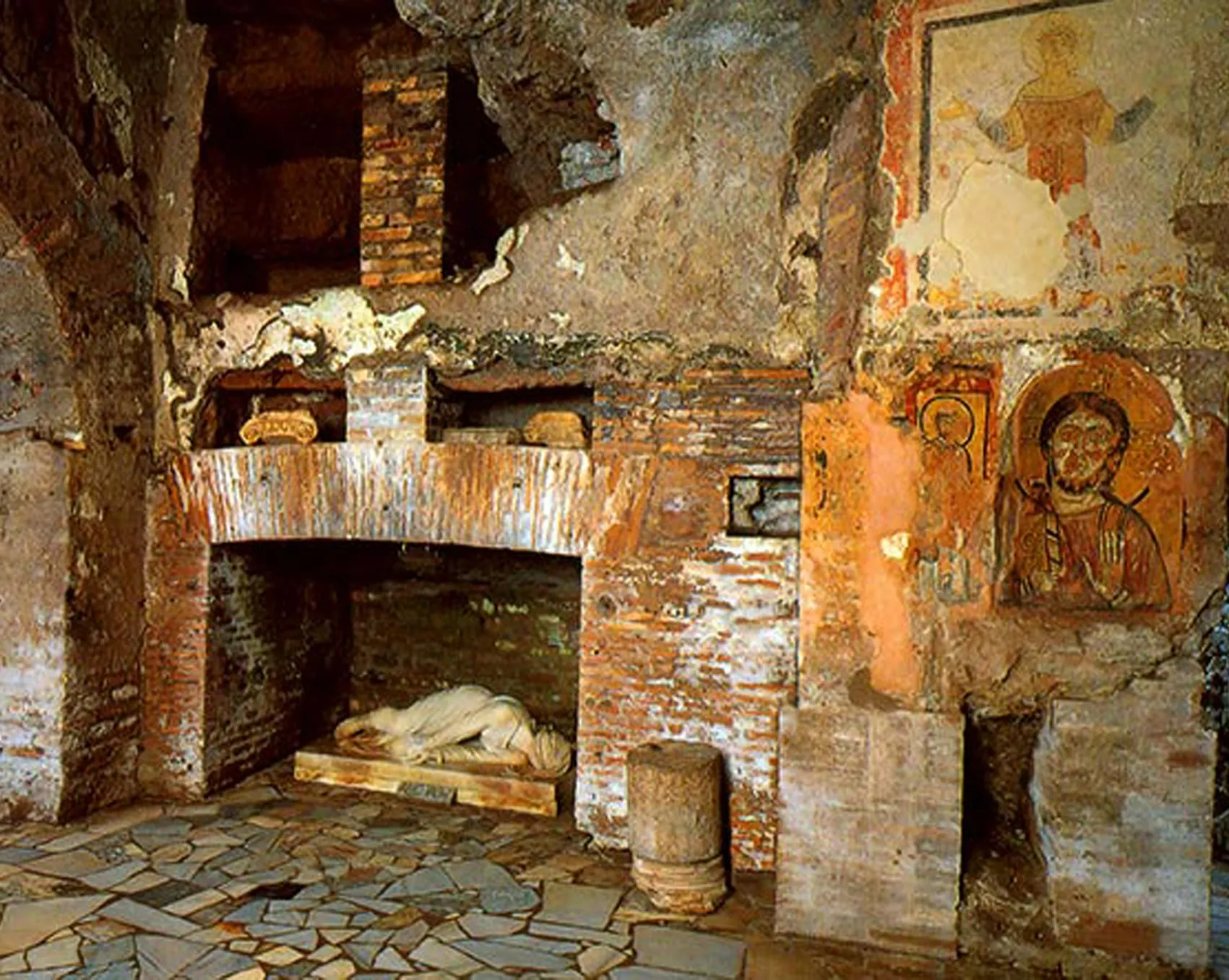
Rome’s catacombs are not just tunnels beneath the city; they are layered archives of devotion, grief, hope, and identity from the first centuries of Christianity.
Visiting Domitilla, Callixtus, and Priscilla offers three complementary perspectives: monumental underground architecture, important papal and martyr memory, and vividly preserved artistic traces that still feel intimate today.
With the right planning, these visits become one of the most meaningful experiences in Rome—less about crowds and selfies, and more about listening to history in a quiet, sacred environment..
Rome Catacombs Tours: Domitilla, Callixtus and Priscilla Visiting timetable
Opening times vary by site, season, religious calendar, restoration activities, and guided-slot availability. Most visits are guided and run on fixed departures in selected languages, so checking same-day timing in advance is essential.
Rome Catacombs Tours: Domitilla, Callixtus and Priscilla Closing Days
Some catacombs close on specific weekdays, major liturgical dates, or for conservation works, and availability can shift around public holidays. Always confirm current schedules before travelling across the city.
Where is Located
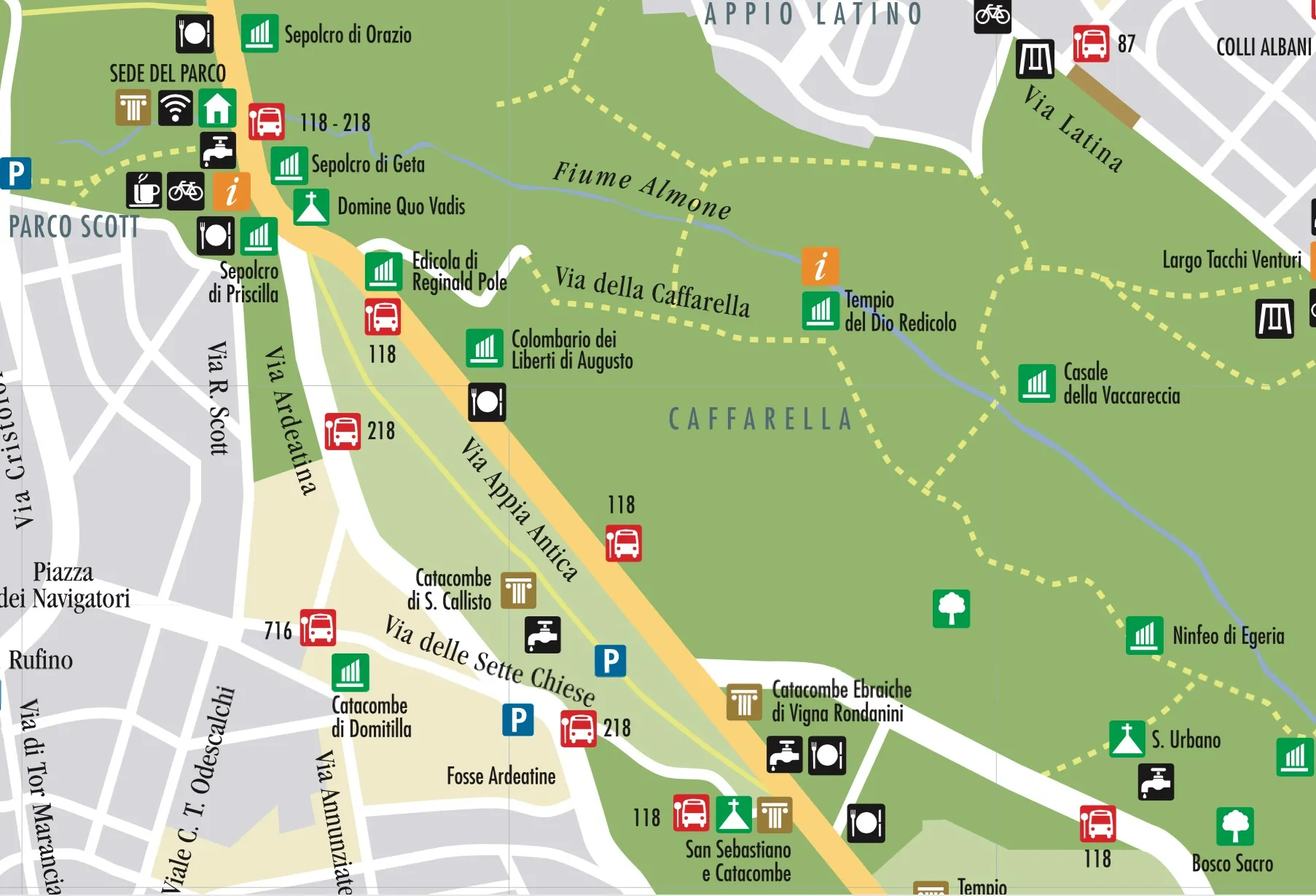
Rome, Italy – Via Appia Antica, Ardeatina, and the wider Christian archaeology network
How to reach Rome’s major catacombs
Most visitors reach Domitilla and Callixtus via the Appian Way corridor (with bus + short walk or taxi), while Priscilla is usually approached from northern-central Rome connections. Plan your route around your booked timeslot, not the other way around.
By Train
If you arrive in Rome by train at Termini, Tiburtina, or Ostiense, the easiest approach is metro + city bus or a direct taxi to your catacomb entrance. Leave buffer time for traffic and orientation, because catacomb tours usually depart at fixed intervals and late arrivals may need to wait for the next group.
By Car
Driving can work, especially for families or small groups combining multiple archaeological stops in one day, but Rome traffic, restricted zones, and parking uncertainty can add stress. If you choose this option, set your parking target before departure and keep all confirmation details accessible offline.
By Bus
Public buses remain a practical and budget-friendly option for many catacomb entrances, particularly along Via Appia Antica routes. Since stop names and walking segments can vary by line updates, double-check both direction and final walking distance before boarding.
On Foot
Walking is lovely in selected stretches of the Appian area, but distances between monuments can be longer than expected, especially in summer heat. Comfortable shoes, water, and realistic timing make the journey safer and much more enjoyable.
Why choose Rome catacombs tours
They reveal a powerful side of Rome many visitors miss: intimate sacred art, early Christian symbolism, burial traditions, and historical narratives that connect theology, politics, and daily life across centuries.
Rome Catacombs Tours: Domitilla, Callixtus and Priscilla
Catacombs of Domitilla
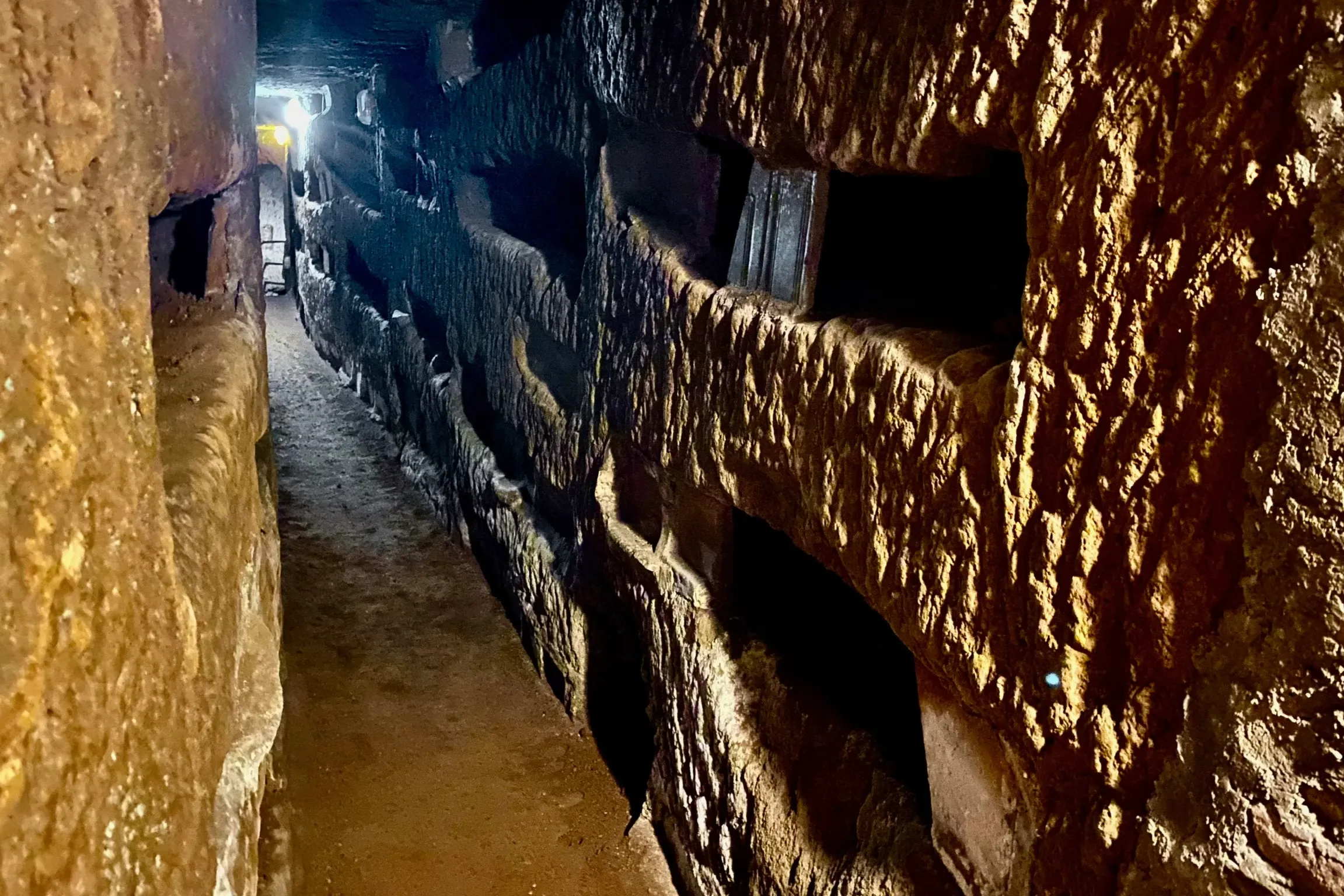
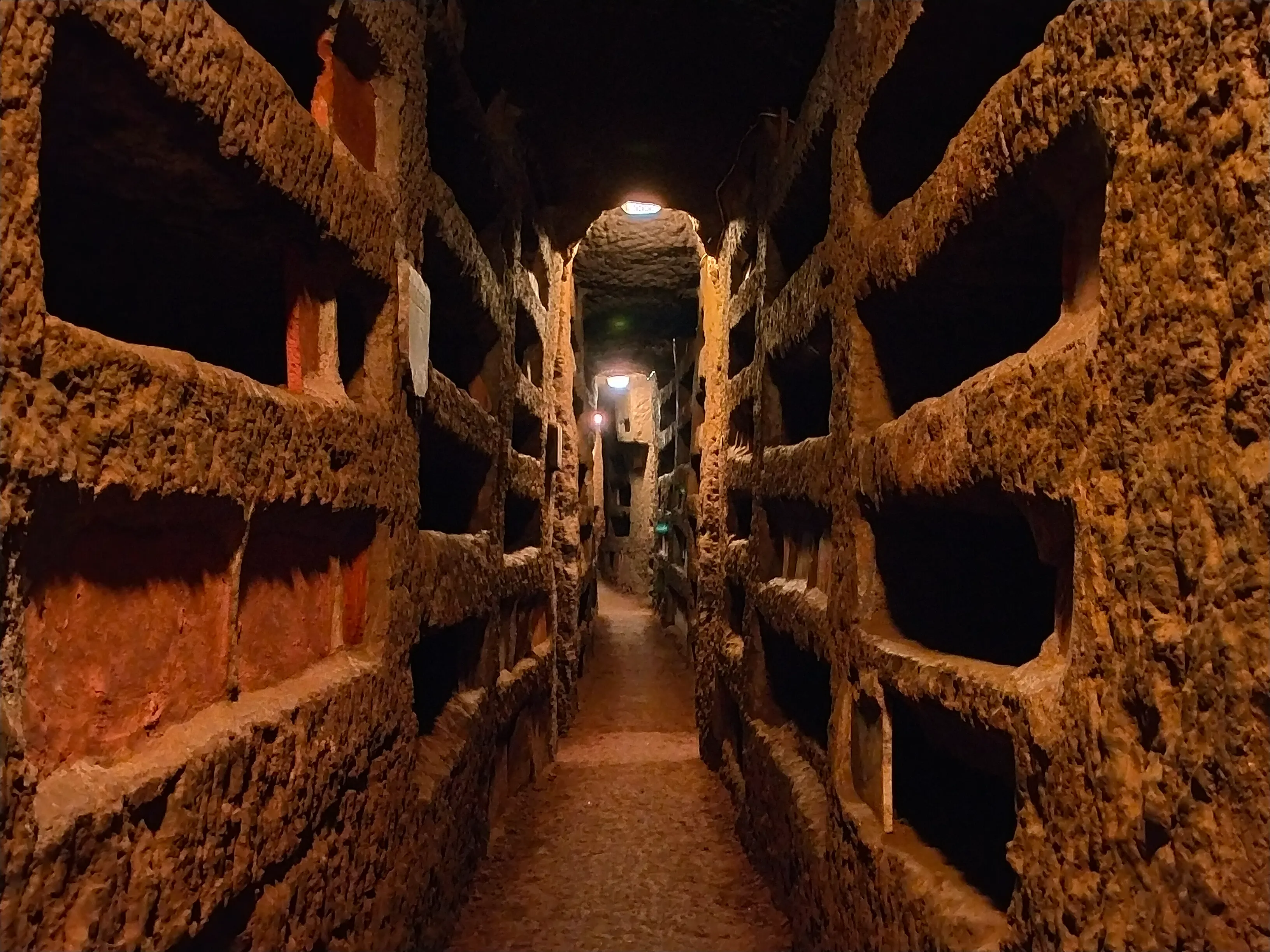
Domitilla offers one of the most extensive and atmospheric underground networks associated with early Christian burial culture. Its long corridors, carved loculi, symbolic imagery, and layered archaeological context make it an essential stop for visitors seeking depth, not just sightseeing.
Catacombs of Callixtus
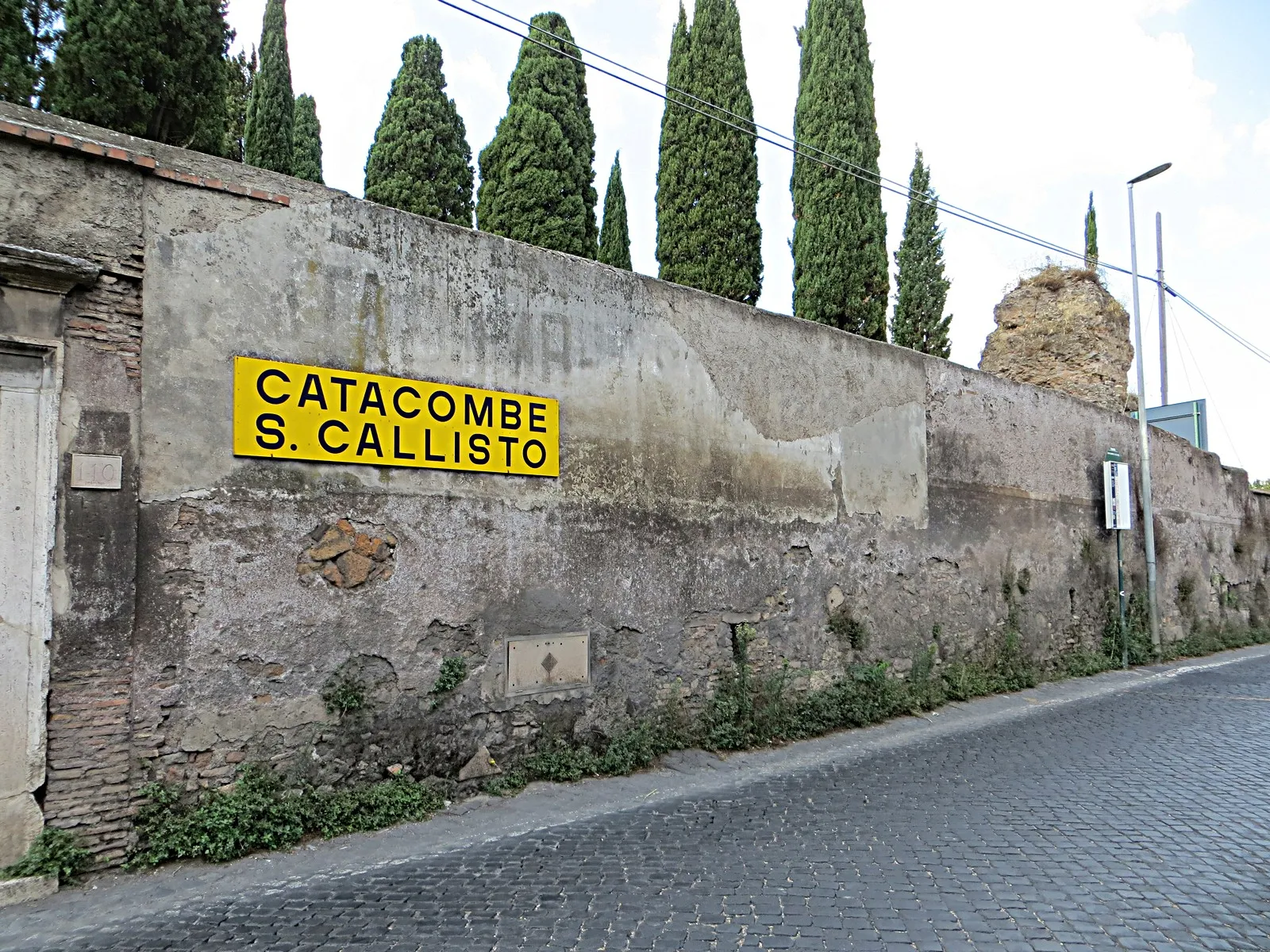
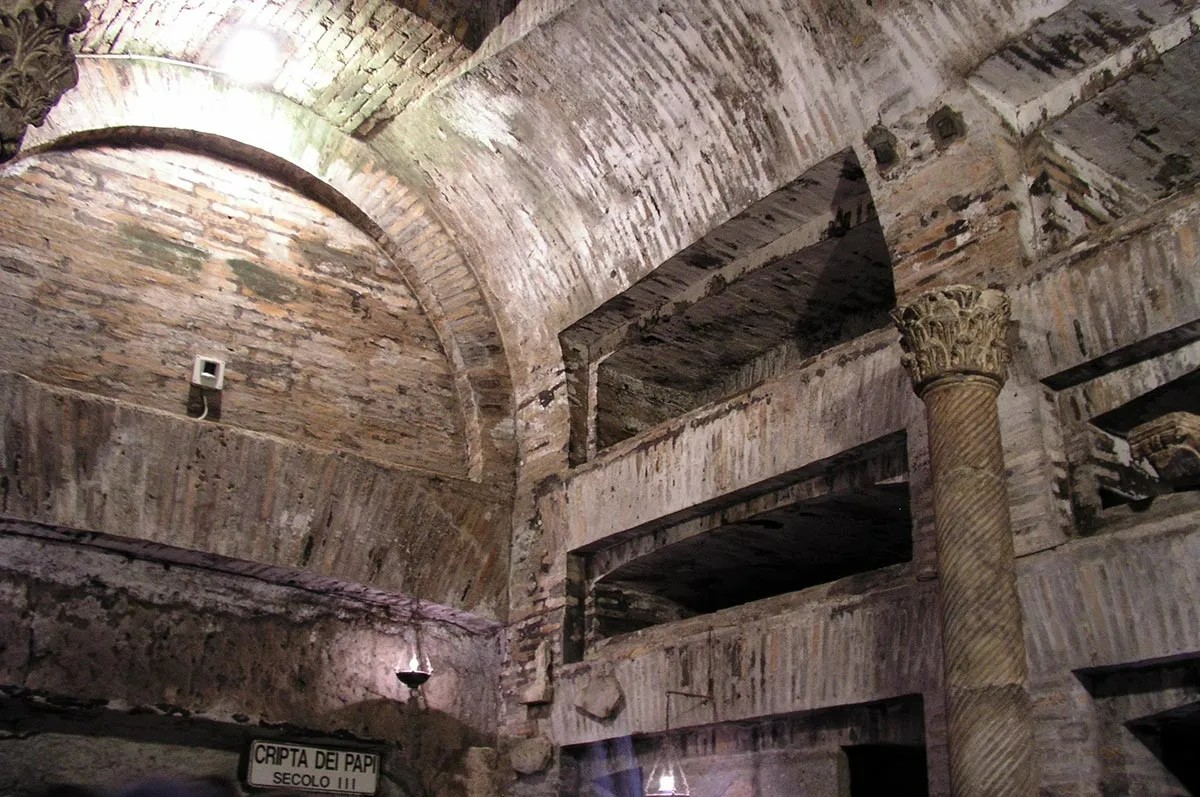
Callixtus is central to understanding the institutional and devotional history of early Christian Rome, with important associations to popes, martyrs, and community memory. Guided interpretation here transforms stone and silence into a compelling narrative about identity, faith, and resilience.
Catacombs of Priscilla
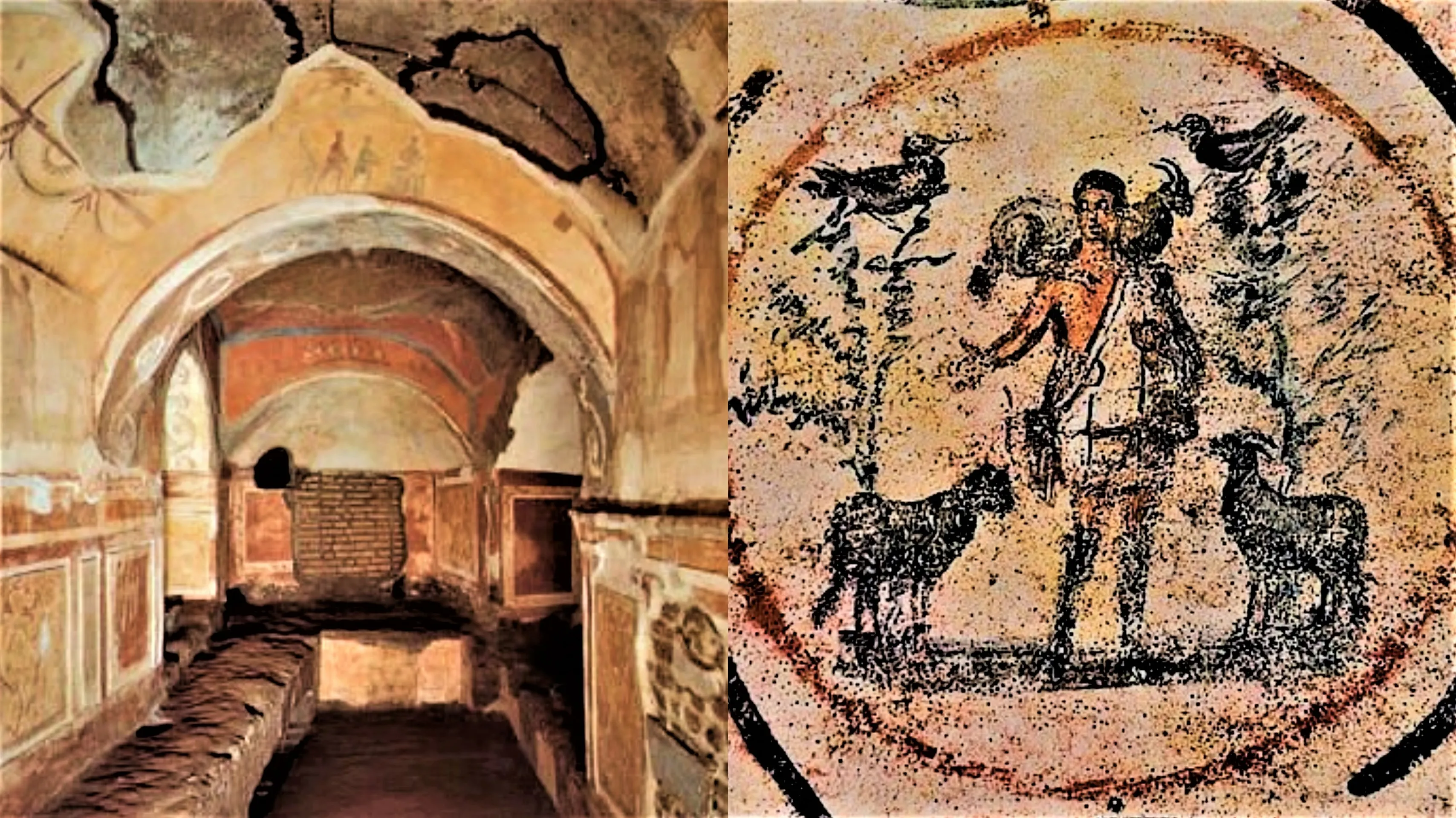
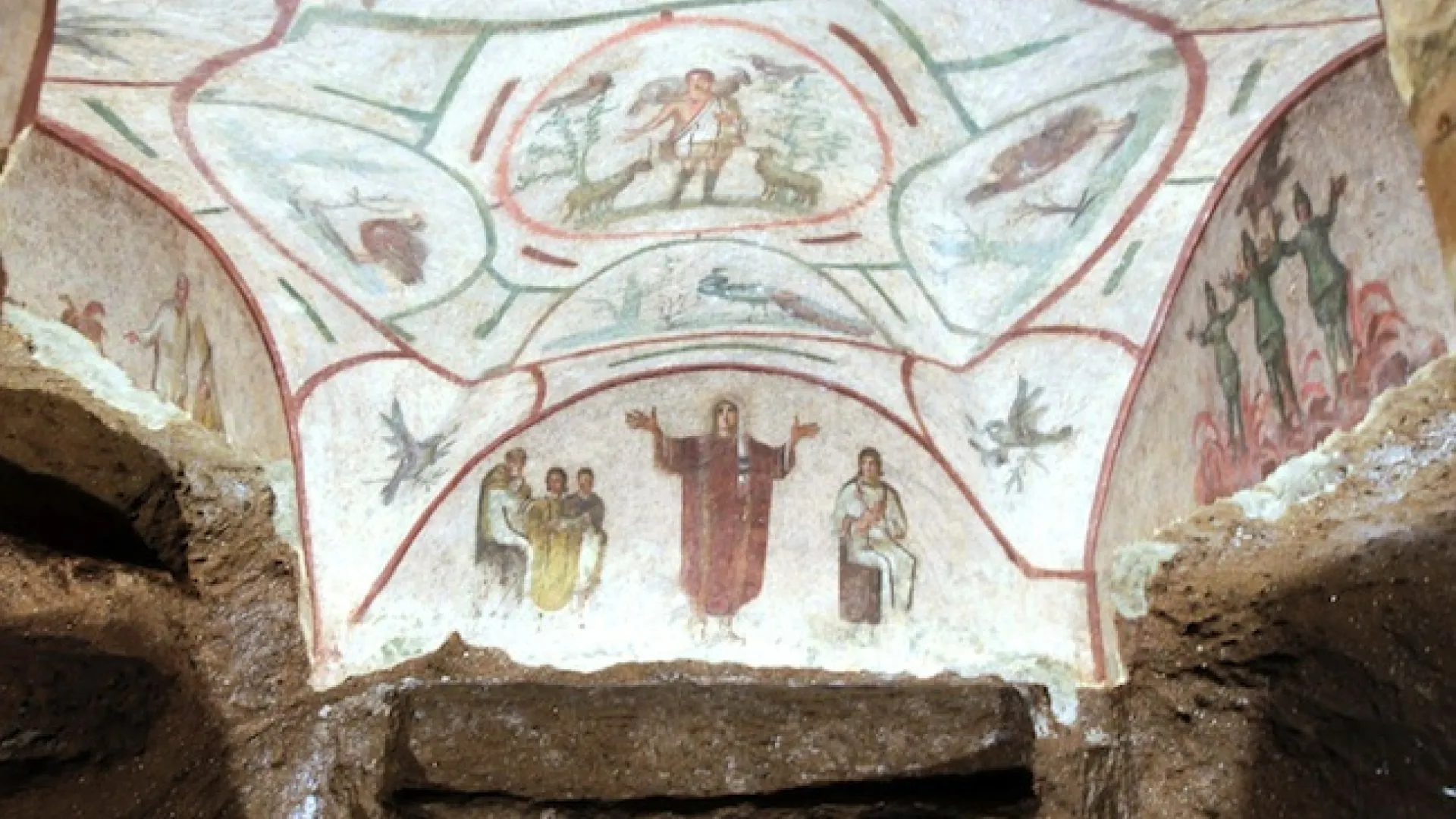
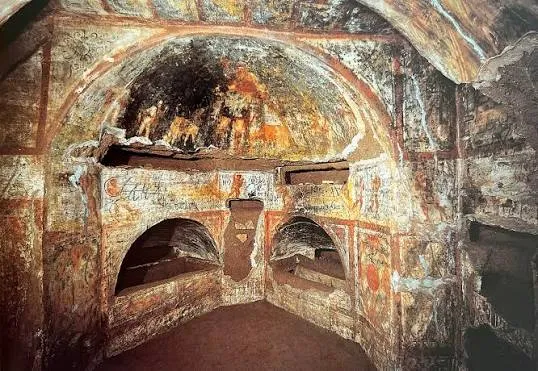
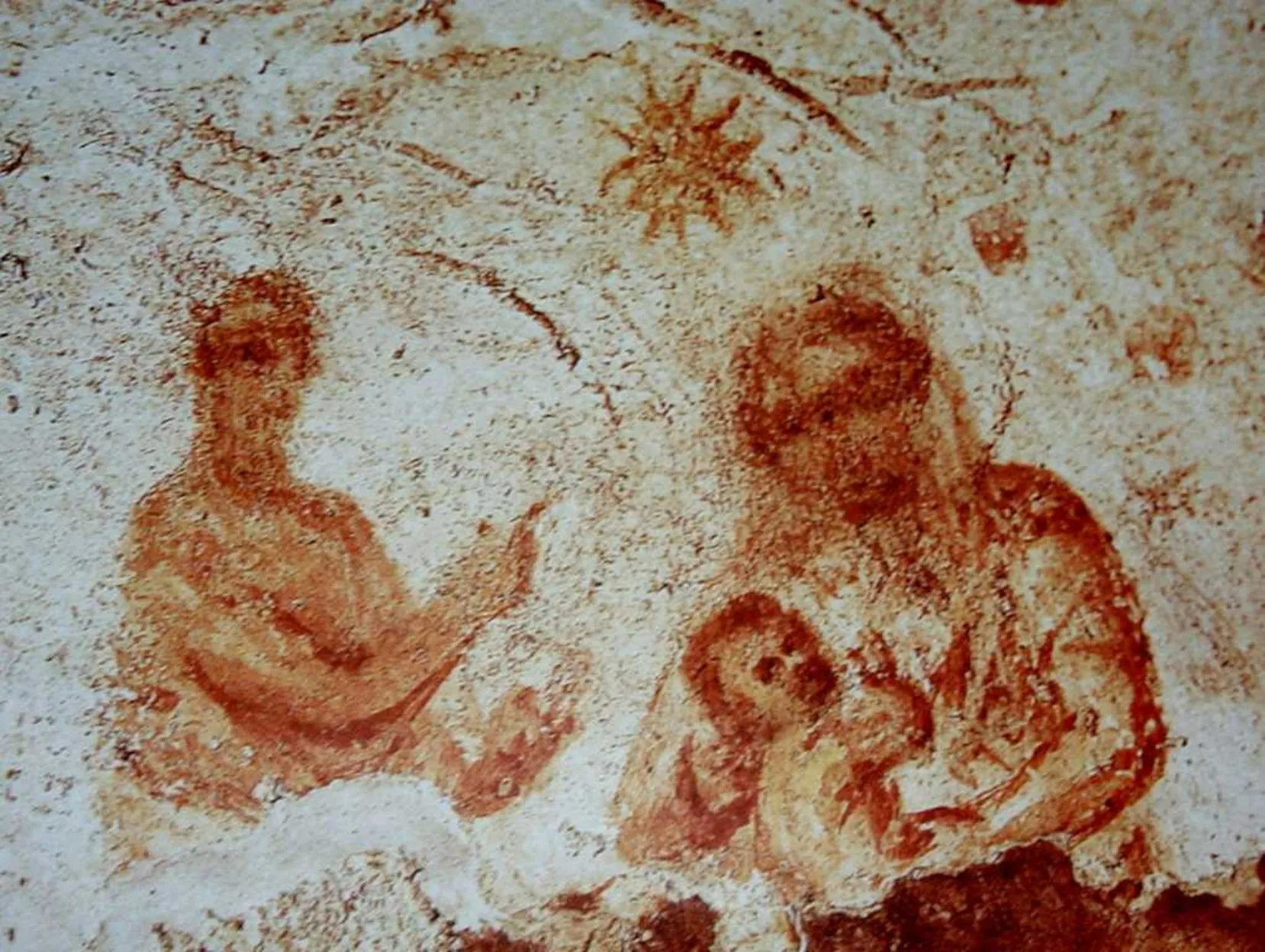
Priscilla is often praised for its evocative atmosphere and the emotional clarity of its surviving artistic elements, including some of Rome’s most discussed early Christian fresco traditions. It is a place where visitors can sense how commemoration, ritual, and visual storytelling shaped spiritual life across generations.
Rome catacombs at a glance
Quick, practical answers for a smoother first visit underground.
Book your Rome catacombs experience
Choose a single flagship site for focused discovery, or combine Domitilla, Callixtus, and Priscilla for a fuller historical arc.
Select guided options, transport add-ons, or multi-site bundles based on your pace, interests, and comfort preferences.